Hudson Valley
Hudson Valley’s First 2,000-Home Net-Zero Community
Introducing the Hudson Valley Scalable Climate Cluster: Revolutionizing Climate-Tech Communities.
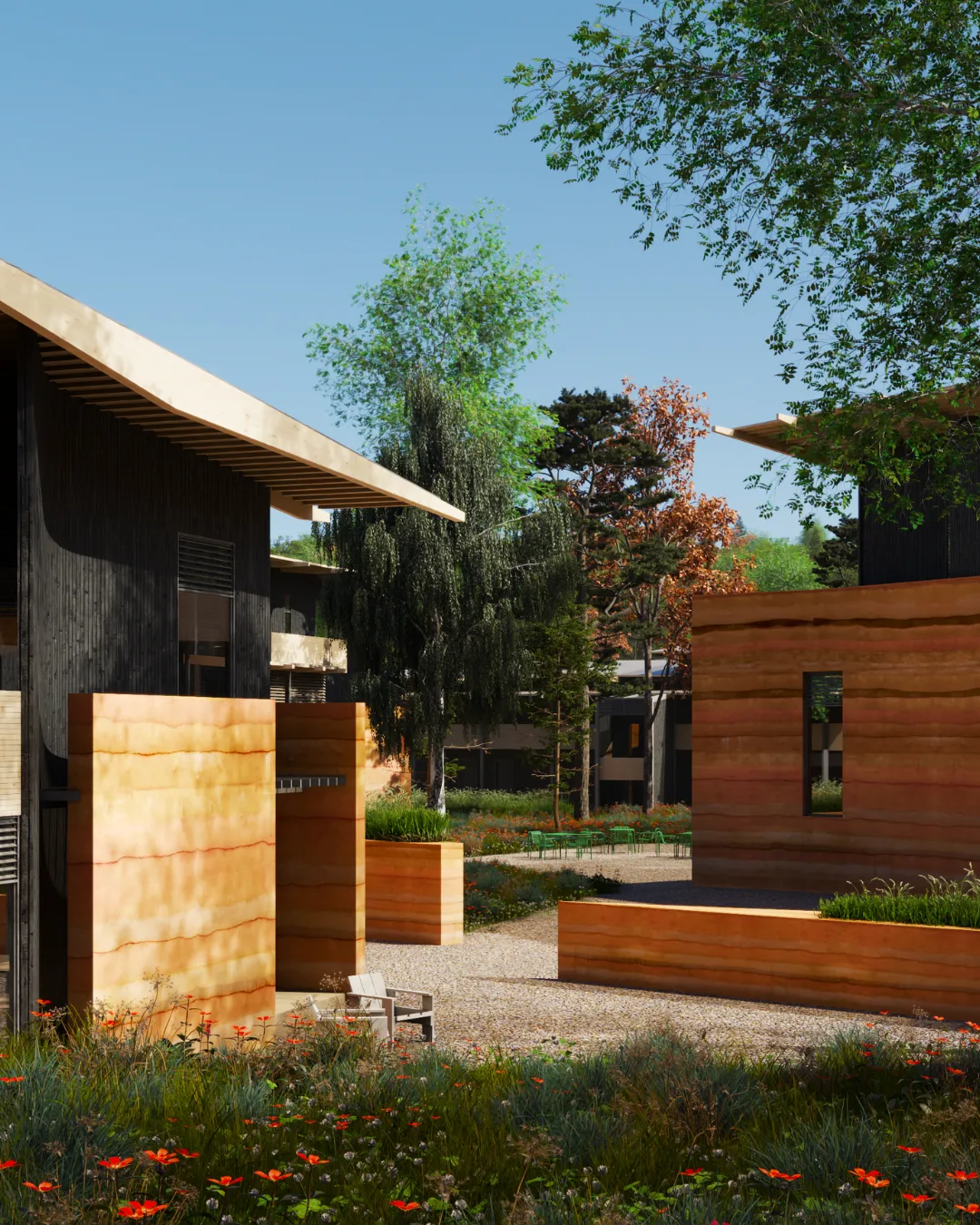
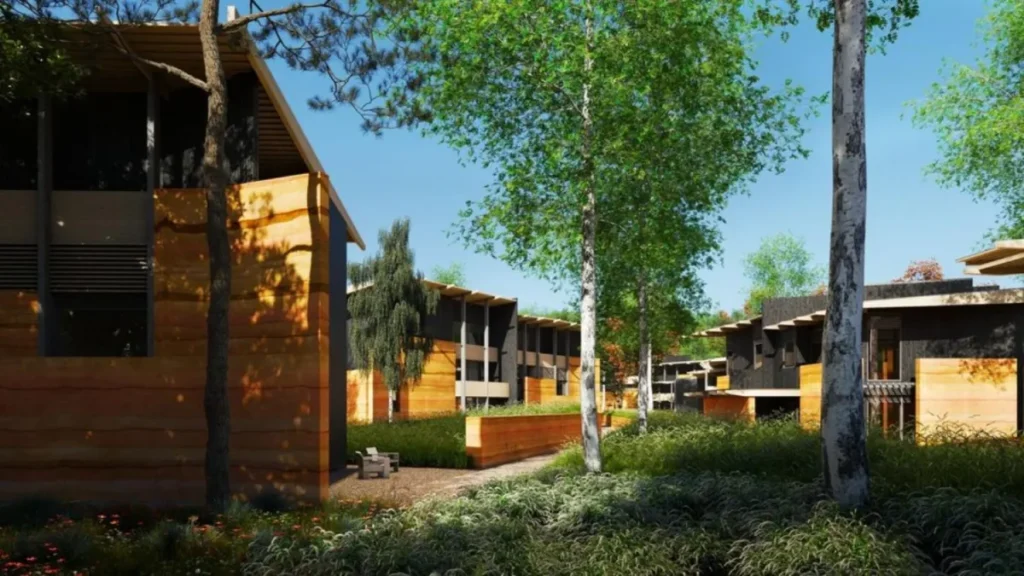
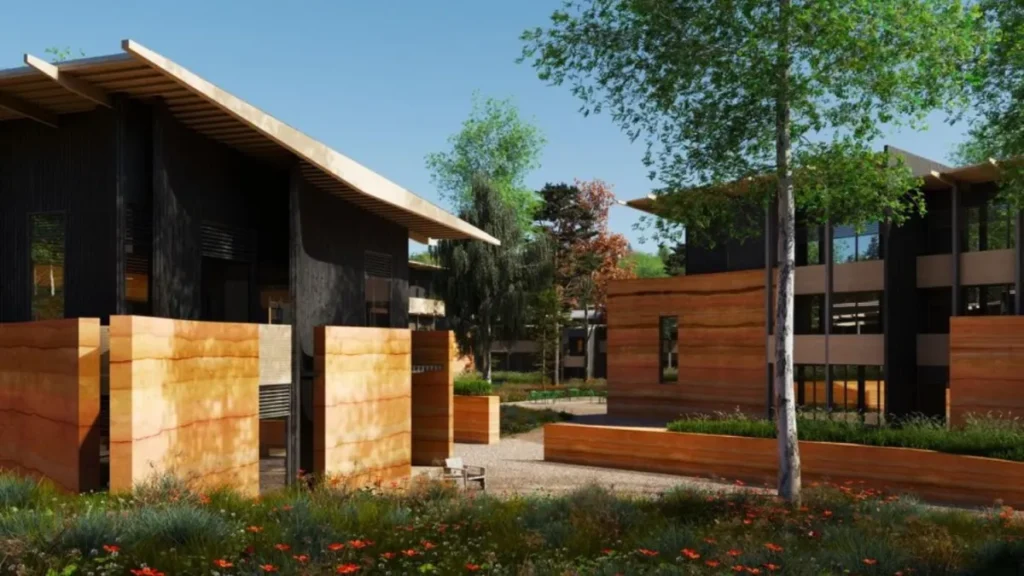
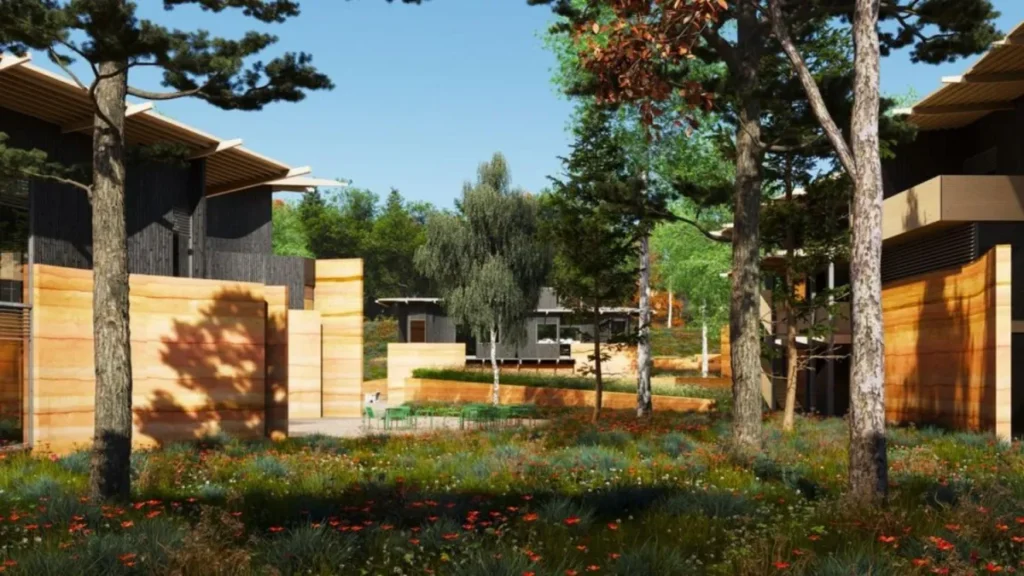
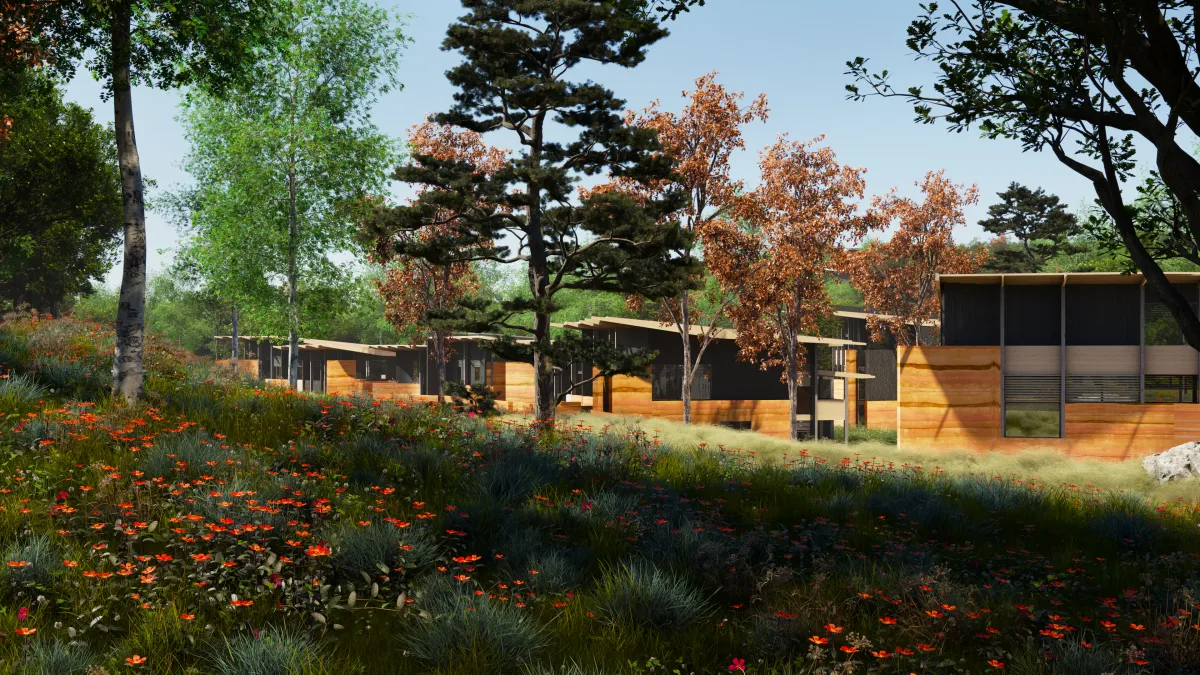
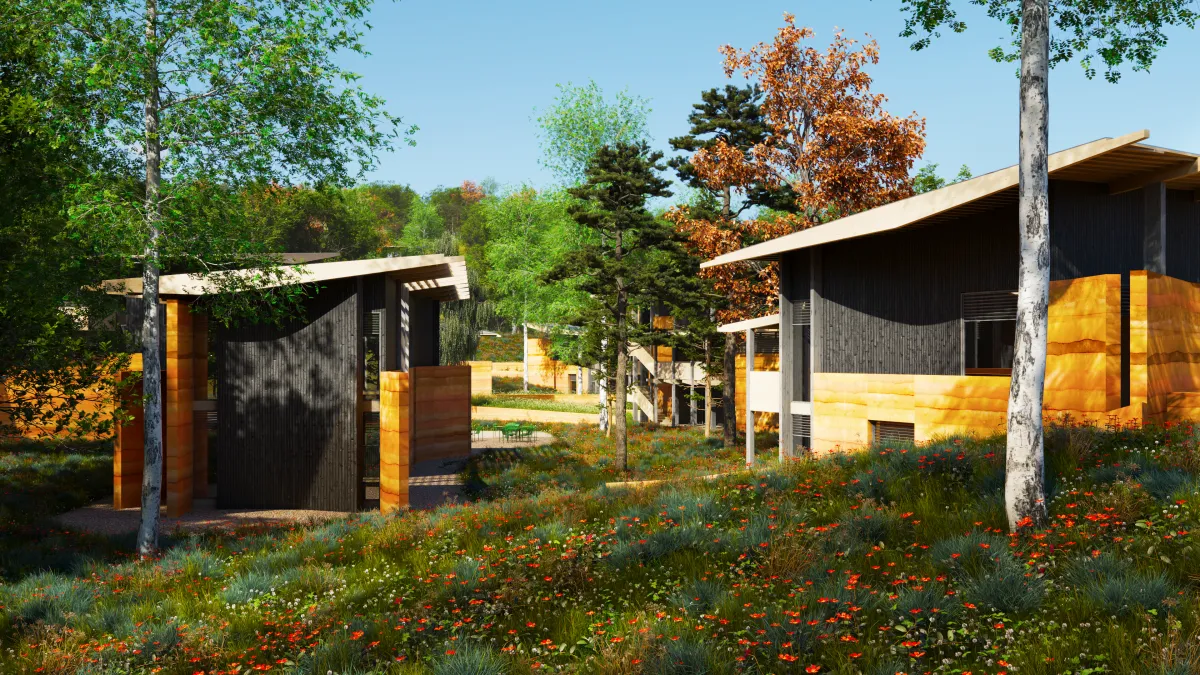
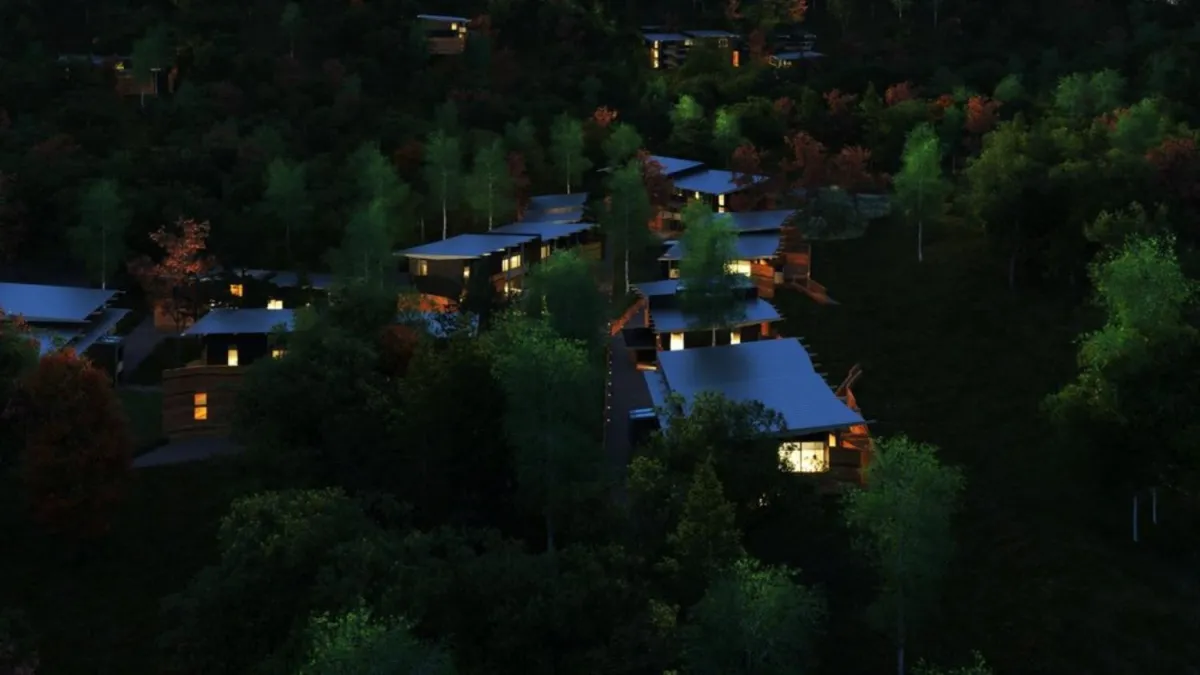
Exteriors
- Hudson Valley, NY Net-Zero Community Development
- Location: New York, NY
The Hudson Valley Scalable Climate Cluster
Hudson Valley Net-Zero Community Development
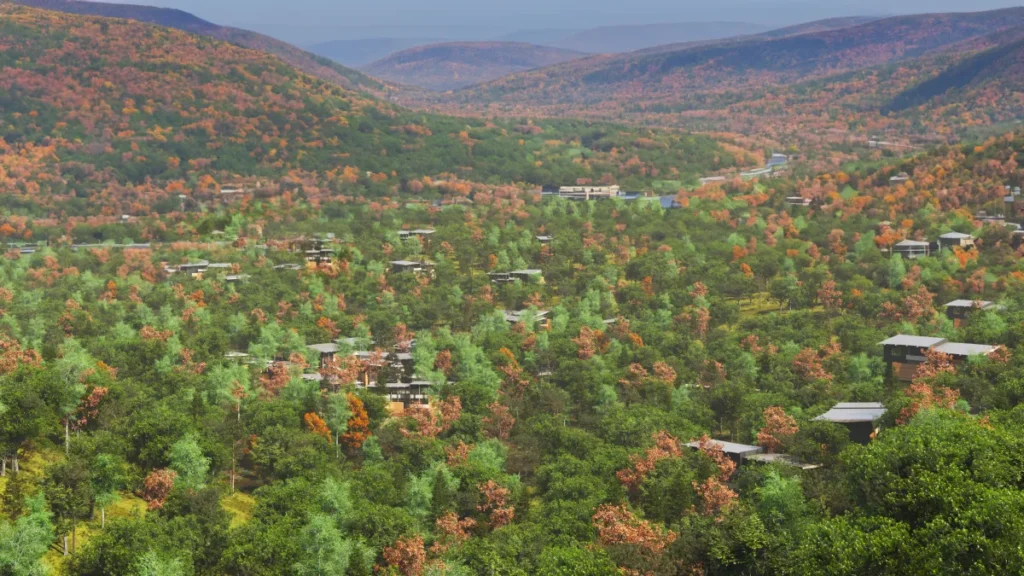
Urban A&O presents a groundbreaking approach to sustainable living alongside natural systems with the Net-Zero Community Development in Hudson Valley, NY.
This project leverages state-of-the-art technologies and an array of emerging low-carbon, sustainable, durable, tactile, often upcycled materials to build a community that significantly reduces its environmental footprint while maintaining a vibrant, high quality of life via its unique, organic design.
Our objective is to establish the first net-zero developments in the region, setting a new standard for future real estate projects and scaling this model across the US.
Urban A&O's Commitment to Net-Zero and Climate-Positive Impact
Through our extensive R&D in advanced technologies and material science, Urban A&O is creating a Net Zero community in Hudson Valley, NY, leveraging advanced environmental computational skills and emerging sustainable practices. We aim to achieve net-zero carbon emissions, creating a net-negative, climate-positive impact.
Carbon Footprint Elements and Strategies
Construction Emissions Reduction/Zero balancing out Embodied Carbo
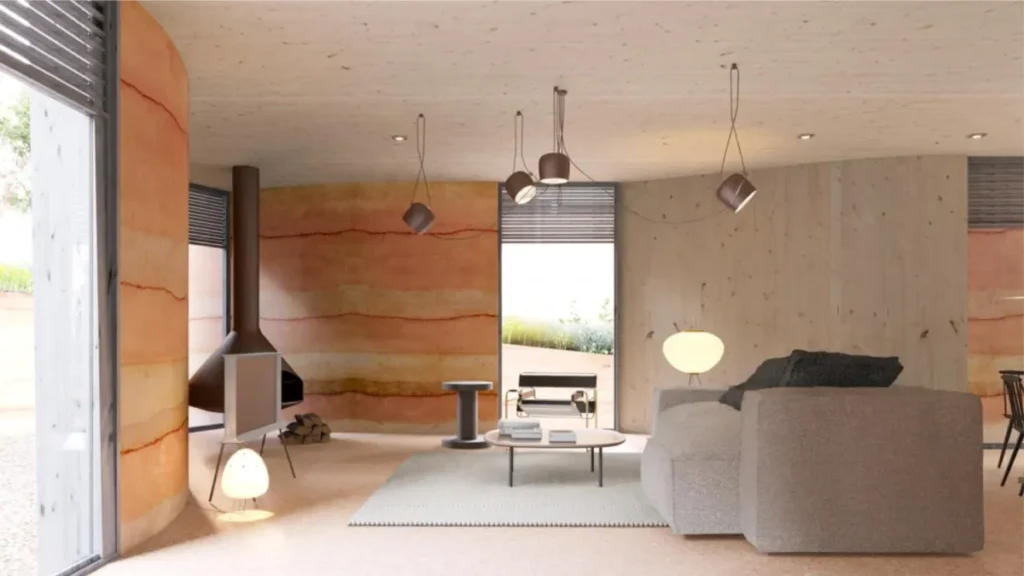
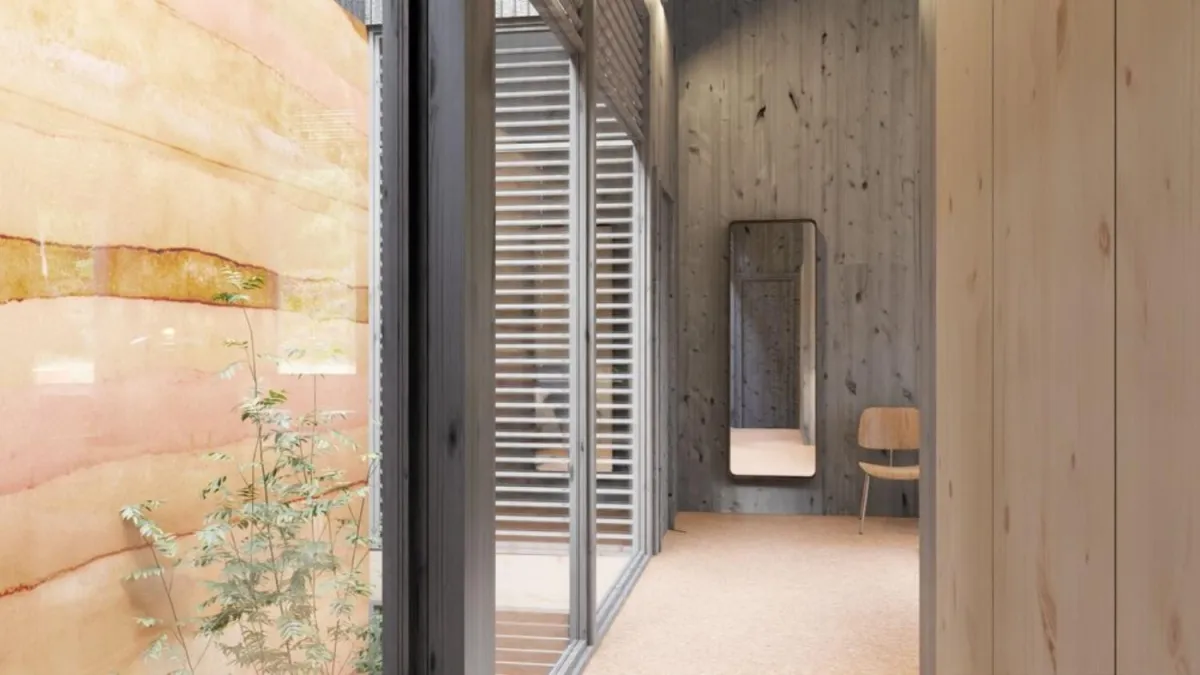
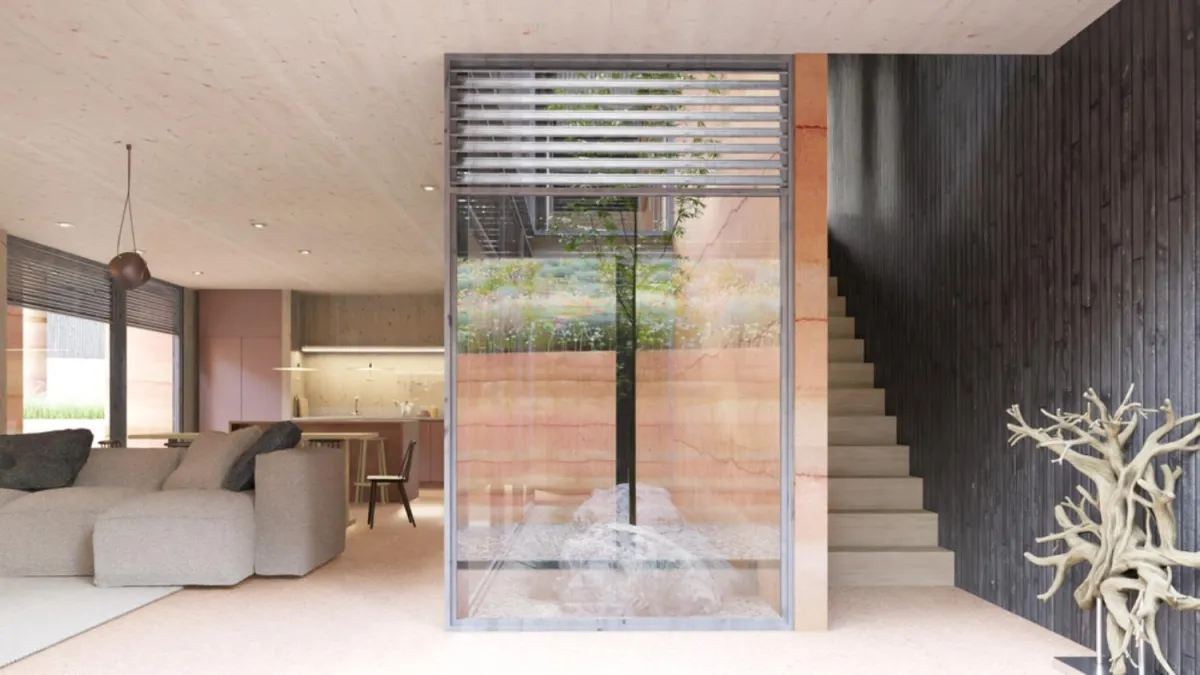
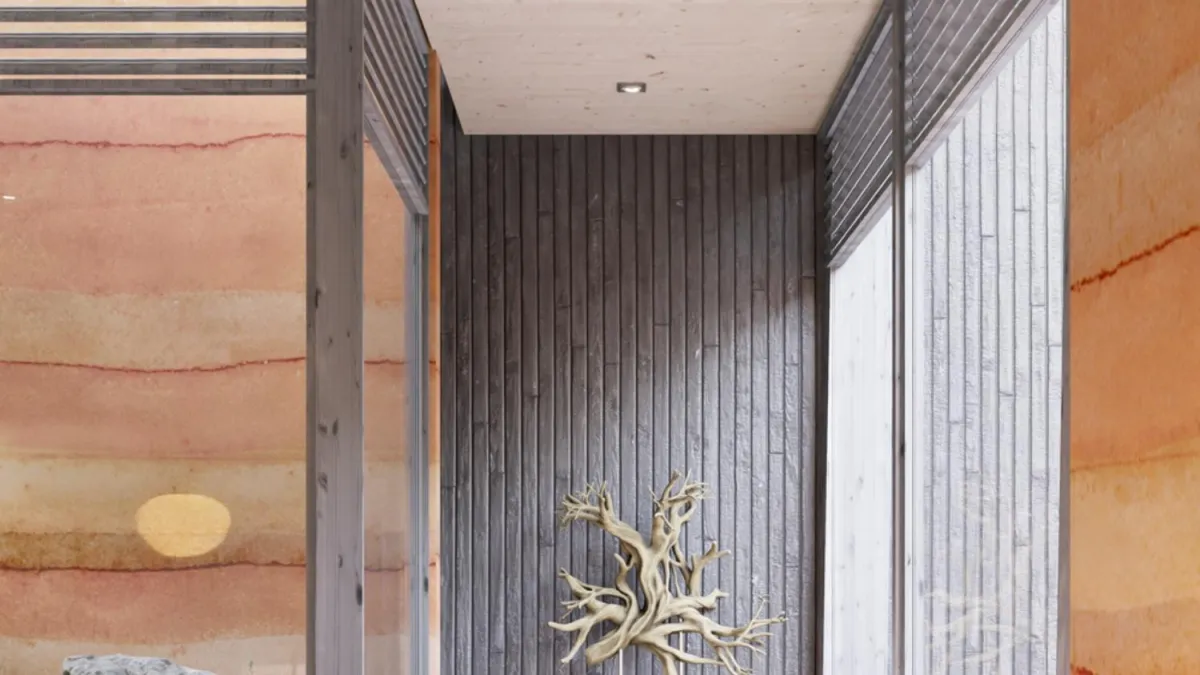
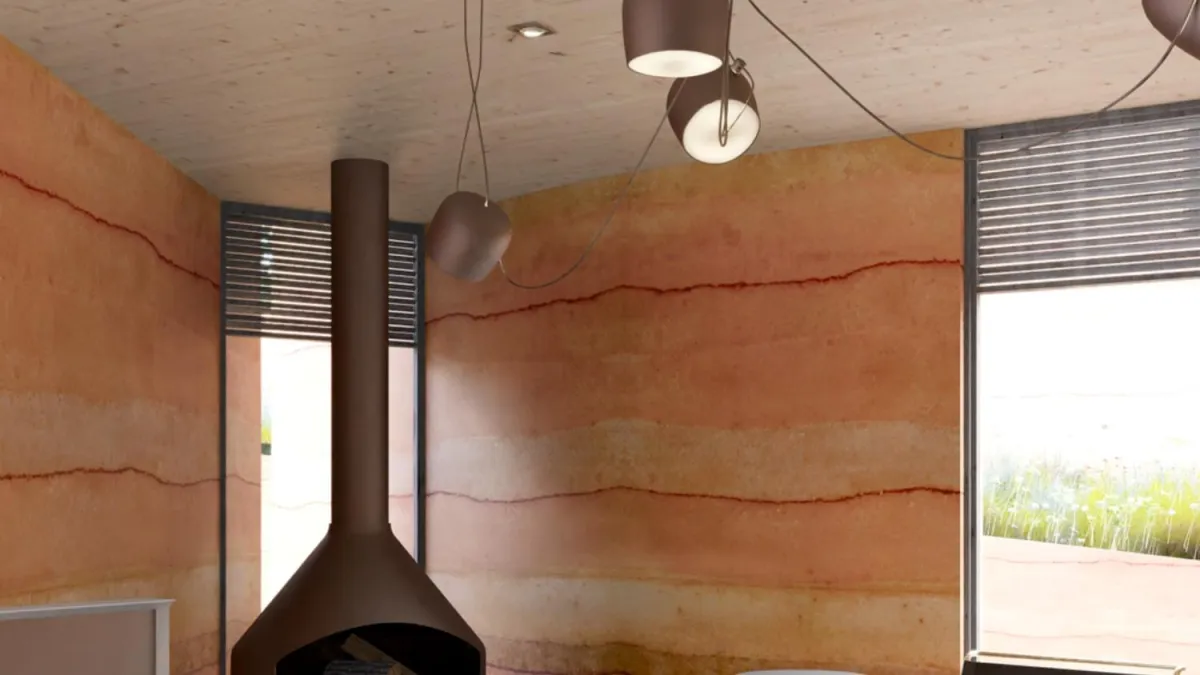
Rammed Earth: Made from locally sourced earth with an embodied carbon of just 48 kg CO₂ per cubic foot, compared to 635 kg CO₂ for conventional concrete. It offers excellent thermal mass, reducing the need for artificial heating and cooling by up to 40%.
Hempcrete: This mix of hemp fibers, water, and lime sequesters 165 kg of CO₂ per cubic foot, acting as a carbon sink. It provides excellent insulation and breathable envelopes, reducing energy needs for heating and cooling. The binder is designed for high performance, durability, and resistance to insects, fire, and mold.
Achieving Net-zero And Beyond
Solidia Technologies: Reduces the carbon footprint of cement and concrete production by up to 70%, conserves up to 90% of water, and saves up to 30% in energy consumption. Solidia Concrete reaches full strength in as little as 24 hours, compared to 28 days for conventional concrete. Solidia’s technology is suitable for a wide range of pre-cast concrete applications.
Solidia Low Carbon Concrete & Cement: Solidia’s low-lime, non-hydraulic calcium silicate cement reduces CO₂ emissions by approximately 30% compared to traditional Portland cement, operating at lower temperatures and using less limestone.
Environmental Impact
Transportation Emissions Reduction
EV Infrastructure: Located in clusters on the development’s perimeter, EV charging stations under solar canopies encourage electric vehicle use, projected to reduce transportation emissions by up to 30% per 20 stations, equivalent to 450 tons of CO₂ annually.
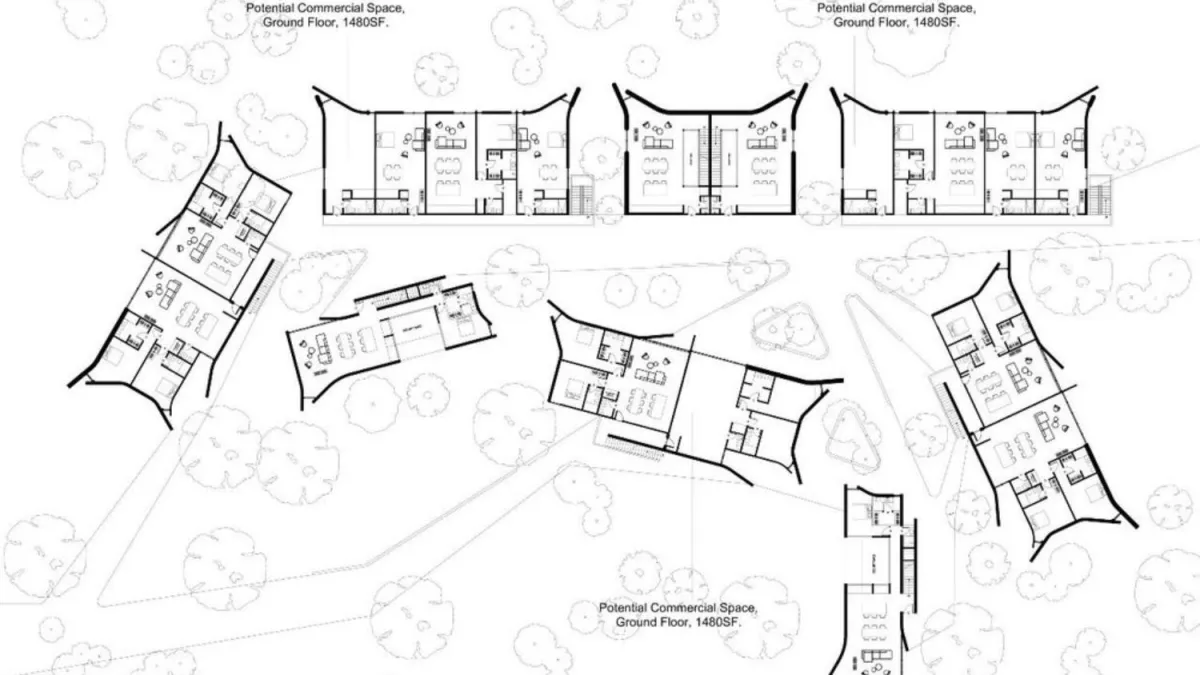
Bicycle and Pedestrian-Friendly Design: Promotes walking and cycling, further reducing emissions by up to 10%. Site plans include a public route through the terrain, supporting municipal programming and financial concessions.
Operational Emissions Reduction
Geothermal Energy Systems: These systems provide efficient heating and cooling, saving up to 500 tons of CO₂ annually per cluster.
Volumetric 3D Solar Panels: Using a patented bifacial 3D design, these panels generate 2-20 times more energy per square foot than traditional flat panels, covering 60% of the community’s energy needs.
Tesla Solar Shingles: Integrated into roofing, providing an aesthetically pleasing, renewable energy solution.
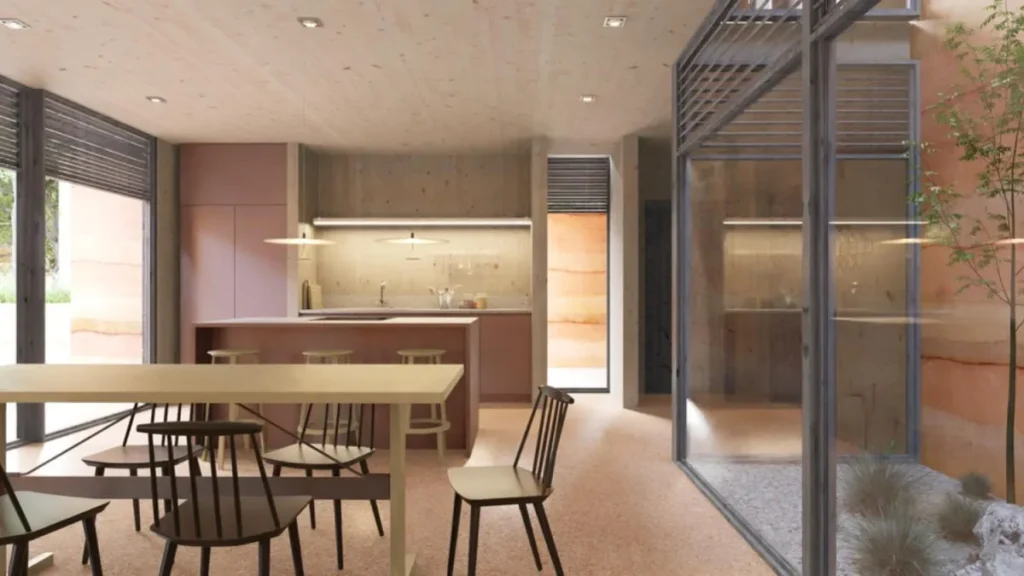
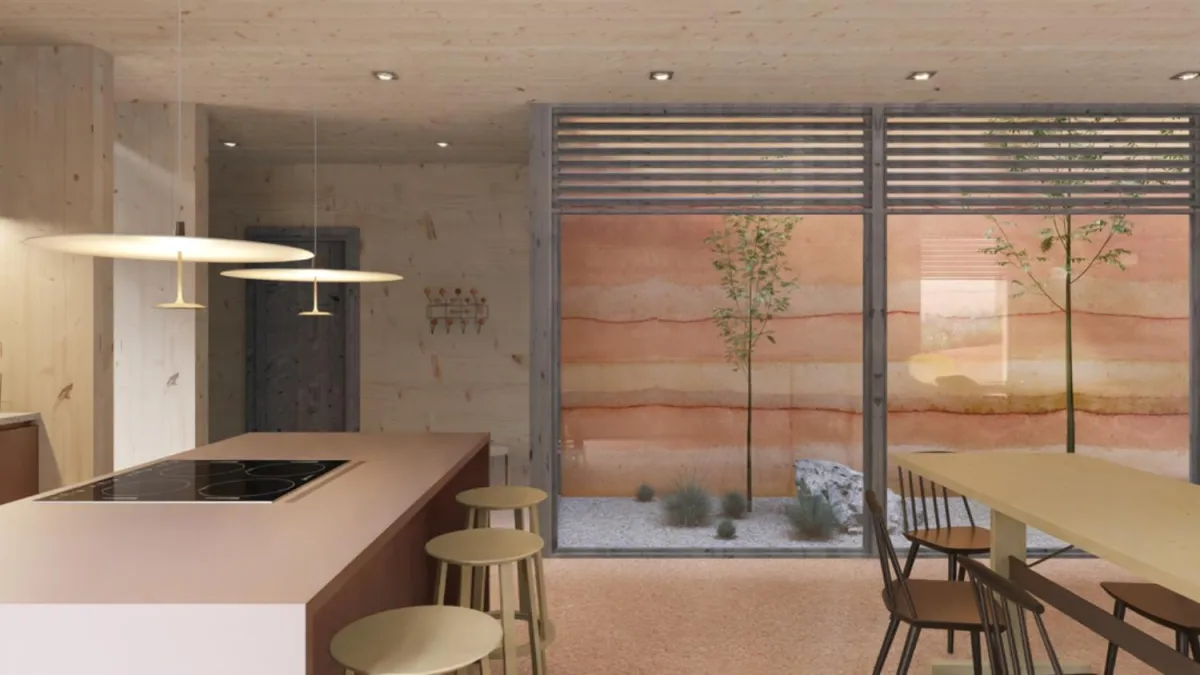
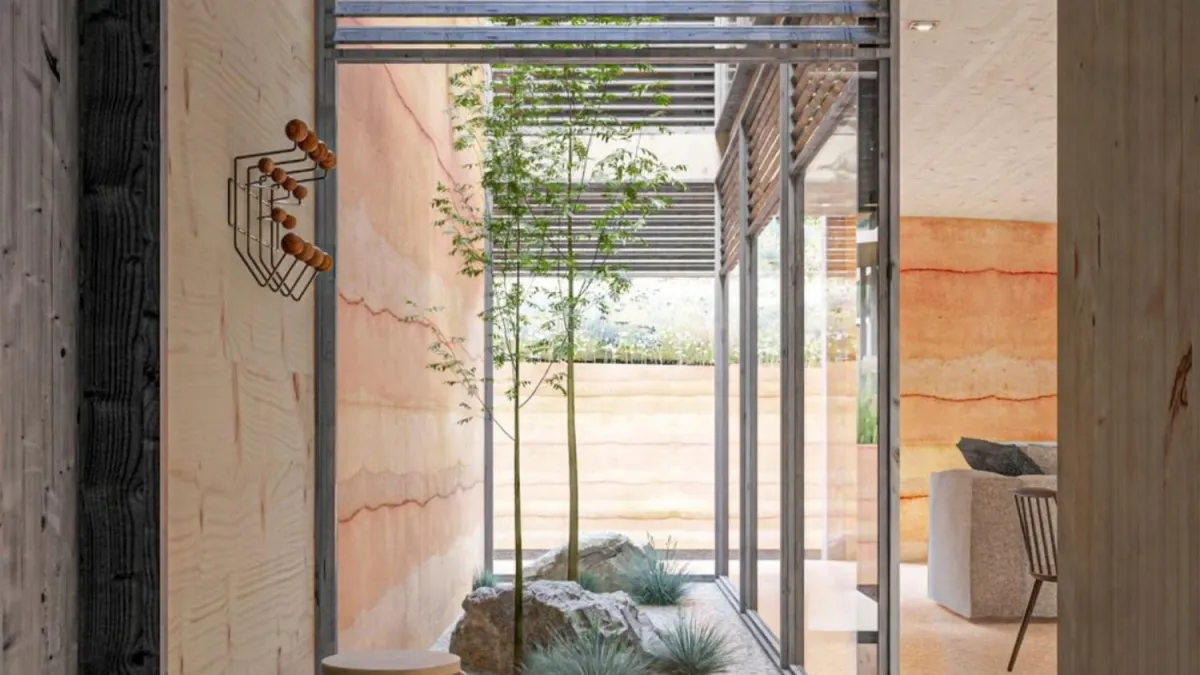
Interiors
- Hudson Valley, NY Net-Zero Community Development
- Location: New York, NY
Carbon Sequestration And Offsetting
Green Spaces and Landscaping:
Community Gardens & Afforestation: Expected to capture up to 1,000 tons of CO₂ annually.
Bioreceptive Concrete: Adds approximately 5,400 sq. ft. of vertical green cover, supporting plant growth.
Quantitative Impact:
Construction/Embodied Emissions Reduction: Up to 40%, saving 10,000 tons of CO₂.
Operational Emissions Reduction: Up to 60%, saving 5,000 tons of CO₂ annually.
Transportation/Logistics Emissions Reduction: Up to 30%, saving 450 tons of CO₂ annually.

Modern Living For Millennials
As the largest global wealth transfer unfolds—expected to be $85T by 2045—from baby boomers to millennials, this demographic is becoming a significant market force. Urban A&O’s Hudson Valley development is designed to meet millennial preferences and needs:
Proximity to Urban Centers: Close to cities like New York, while enjoying rural and community living.
Tech-Integrated Homes: Smart home technologies and high-speed internet connectivity.
Sustainable Living: Eco-friendly materials and renewable energy sources aligned with millennial values.
Community-Oriented Design: Communal gardens and shared green spaces foster a sense of community.
Scalability And Growth Potential
Urban A&O’s model is designed for scalability across various locations and market conditions. Key aspects of our growth potential include:
Proven Technology: Integration of advanced environmental technologies in the Hudson Valley project as a template for future developments.
Flexible Design: Adaptable building practices for different climates and regulatory environments.
Market Demand: Growing awareness and demand for sustainable living solutions.
Strategic Partnerships: Collaborations with technology providers and community sustainability advocates.
Financial Incentives: Government incentives for sustainable construction and renewable energy.