

Contrary to popular belief, a building’s carbon footprint is largely determined long before its construction begins.
By the time most start considering carbon offsetting, most of the project’s significant emissions have already been locked in through structural systems, material selections, and planning decisions that are costly, difficult, or impossible to reverse.
It has long been recognised that the built environment accounts for almost 40% of global carbon emissions, with 10% from embodied carbon from materials and construction processes. Since then, the conversation has moved beyond carbon offsetting.
As climate commitments tighten and client expectations evolve, carbon-neutral building design has moved from an aspirational concept to a professional necessity.
We at Urban A&O aim to fulfil this fundamental need of the hour sustainably. As a globally recognised carbon-neutral architecture firm, we treat buildings as living systems that foster mutually beneficial relationships between people, nature, and technology.
We craft spaces designed with nature, and not against it.
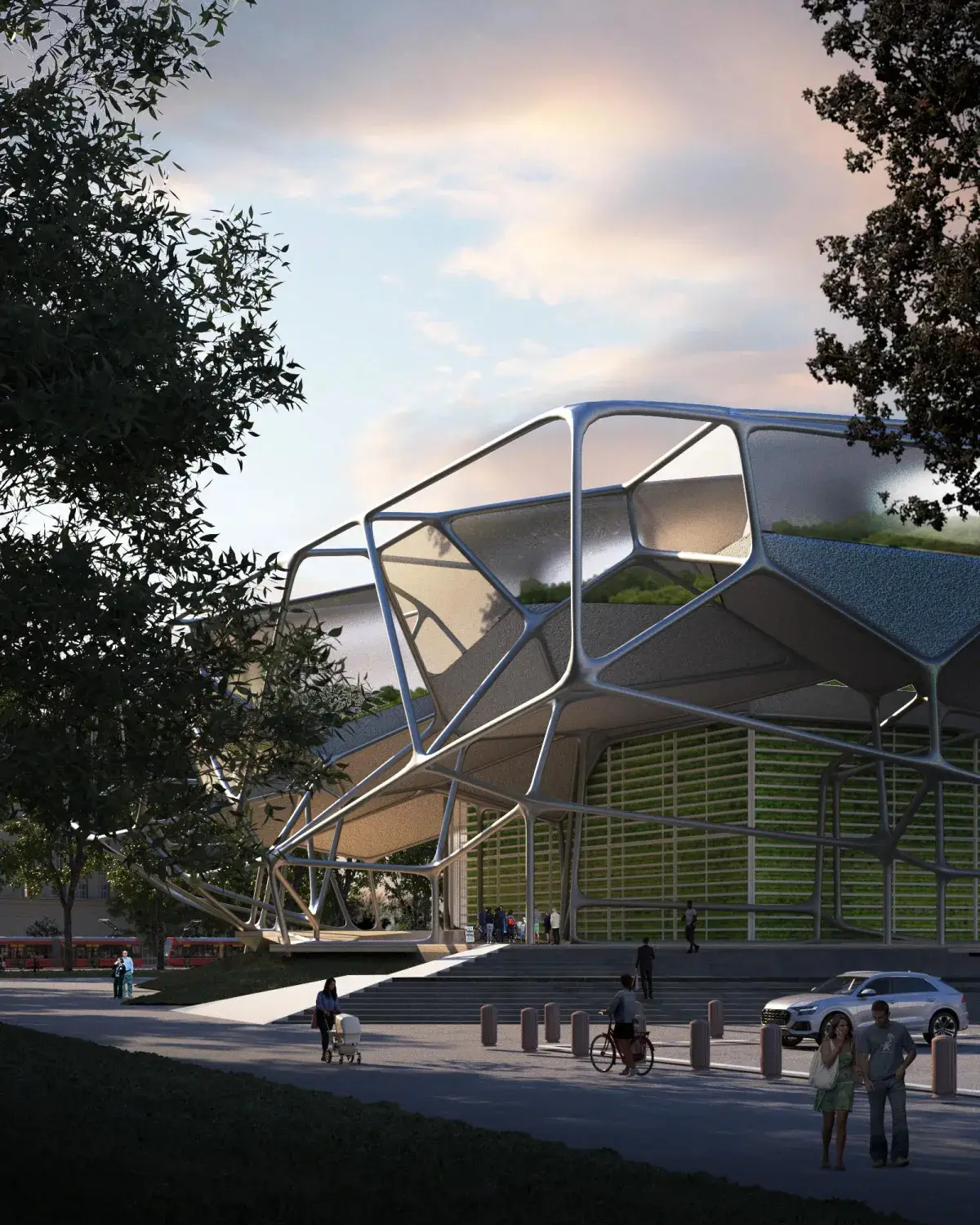
Carbon neutral building design refers to an integrated approach of designing, planning, and constructing infrastructures that aim to support the carbon balance of the structure throughout its entire life cycle.
This architectural design is addressed through two distinct categories: Operational Carbon, carbon emissions produced by the energy consumed by the building over its lifetime, and Embodied Carbon, carbon emissions locked in by the building during its construction, including extraction, manufacture, transportation, installation, maintenance, replacement, and end-of-life treatment of building materials and systems.
The industry has been working on operational carbon emissions for decades through carbon reduction. However, to achieve total carbon neutrality, both are significant, and both can be achieved if planned so from the beginning.
At Urban A&O’s carbon neutral building design services, both are addressed from the beginning through structural systems, envelope performance, mechanical and electrical strategy, and material specification, all coordinated to reduce the building’s total carbon intensity.
Planning and designing with local climate conditions, solar orientation, prevailing winds, topography, and ecological context in mind right from the onset to reduce energy demand.
Integrating fully self-sustained passive designs and systems to reduce long-term operational dependency and environmental dependency
Prioritising construction material that minimises greenhouse gas emissions across its entire life cycle.
Optimising high-performance passive design strategies such as insulation, glazing, shading, airtightness, and thermal performance to achieve low energy building standards.
Seamlessly combining variable generational power sources such as solar, geothermal, and other renewable energy sources to support lasting carbon reduction goals
Balancing structural solutions and methodologies with embodied carbon reduction right from the start to ensure long-term efficiency.
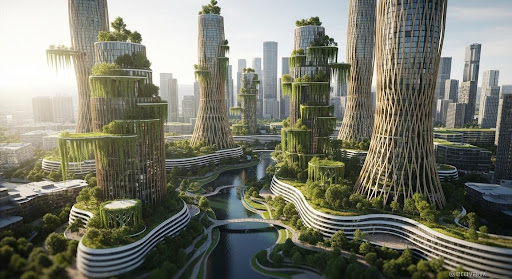
The market for carbon neutral building design services has substantially shifted over the past few years due to several converging factors:
Stricter building standards across major markets: Building regulations are rapidly changing in major markets across the US, UK, and EU. Carbon neutral building design services are no longer optional for large commercial and operational institutes.
Capital aligned with Carbon: ESG and Capital markets are becoming increasingly aligned as they both require verified carbon performance as a condition of investment or occupancy.
Embodied carbon is now in scope: As operational emissions decline, the scope of embodied carbon increases with greater attention being placed on carbon associated with materials, construction processes, maintenance, and end-of-life impacts.
Long-term asset risk: Insurance and risk pricing are rapidly shifting as buildings failing to demonstrate carbon performance are increasingly exposed to higher insurance costs, reduced valuation, and increased regulatory challenges over the long term.
Urban A&O’s design services for carbon neutral projects include:
Focused on the Built Environment at the nexus of design and carbon performance since 2008, Urban A&O earned double platinum LEED credentials for the California Academy of Sciences and LEED Gold for Johnson & Johnson’s Olympic Pavilion in Beijing that same year. This early work began a decade-plus long trajectory of research and design focused on decarbonization.
Recognized by BUILD as the Most Innovative Sustainable Design Firm in the USA for four consecutive years – 20′22, 20′23, 20′24 and 20′25 – founder Joe MacDonald has spoken at the podium on decarbonization strategy in Bangkok, Dubai, London, and Copenhagen. Joe actively participates on working groups at the international level related to carbon performance, greenhouse gas accounting, and supply chain emissions.
Our carbon neutral building design work is currently underway across North America, Europe, and Southeast Asia – from a Triple Net Zero Eco-Resort development on Mykonos to The Hudson Valley Climate Cluster, a groundbreaking 2,000 unit zero emission residential development in New York.
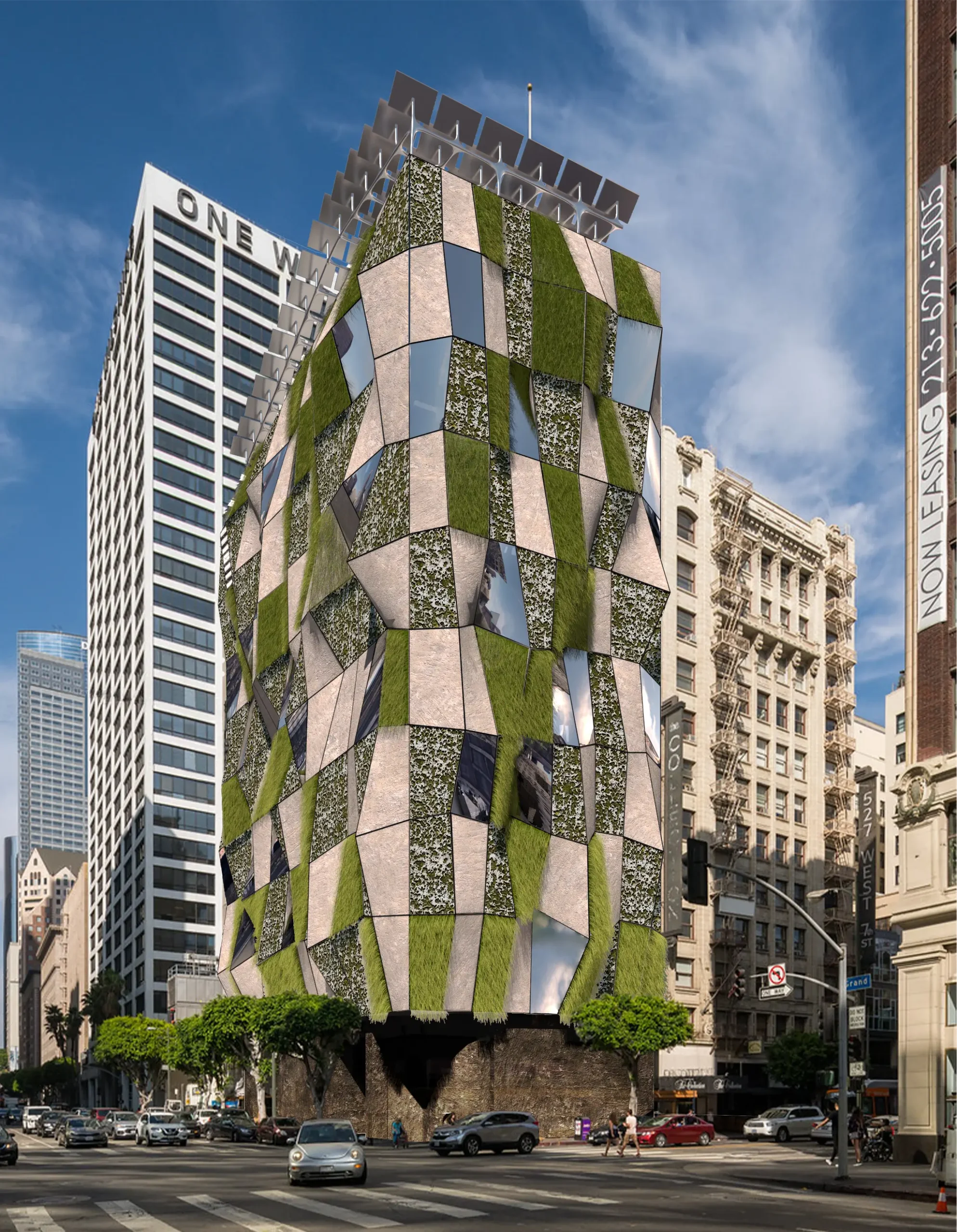
You can book a free consultation directly through our website or reach out to us via email at office@urbanao.com.