

Wellness Architecture is defined by how built environments regulate environmental, spatial, and material conditions to support cognitive function, physiological response, and long-term performance.
As a wellness architecture firm, Urban A&O approaches design as a system where light, airflow, acoustics, material, and spatial configuration are coordinated to influence measurable outcomes across different program types.
The objective is not to apply wellness features but to embed environmental and sensory systems within architecture from the outset.
Urban A&O works with institutions, developers, and organizations to develop architecture grounded in environmental systems and spatial performance.
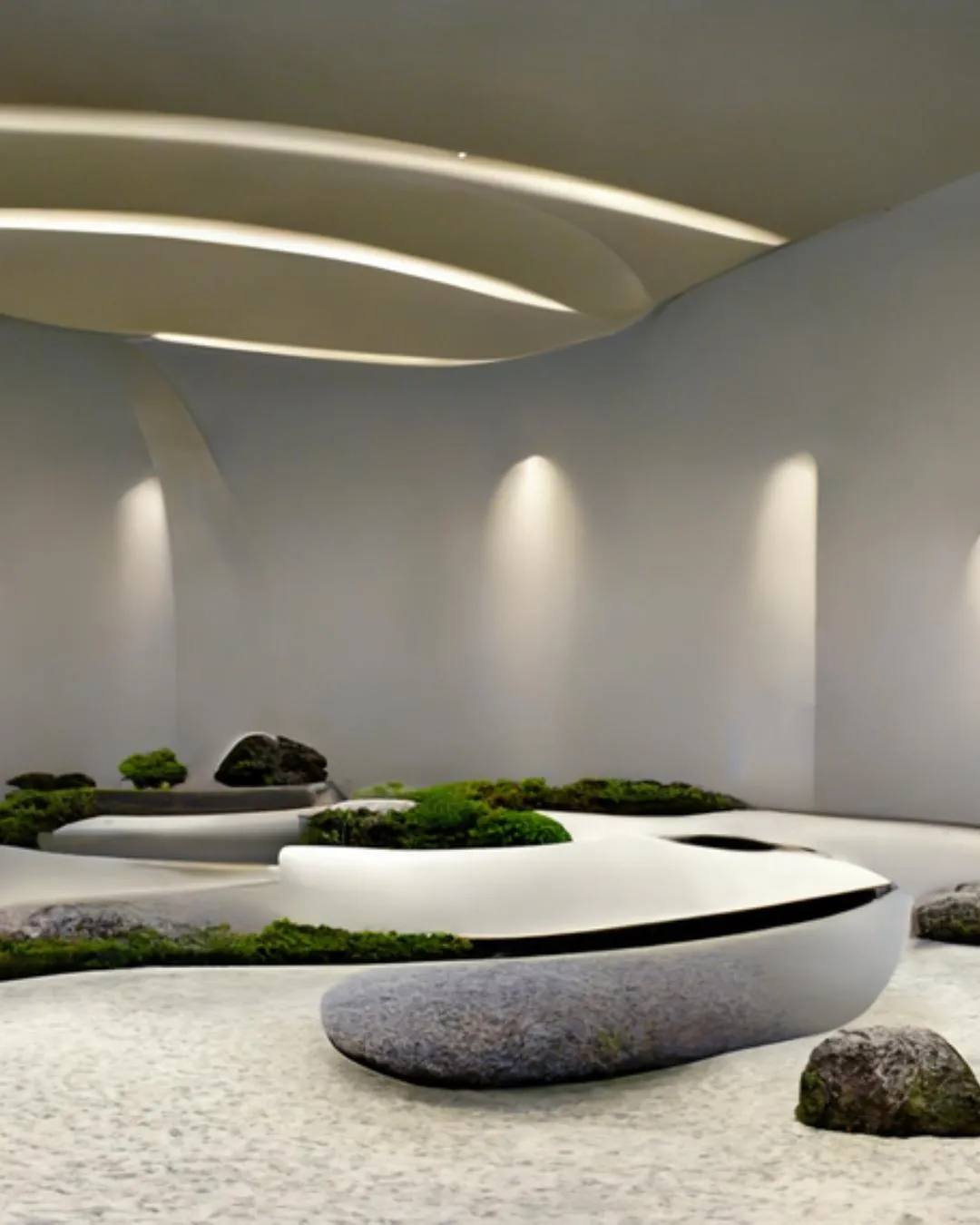
All these factors come together to create an integrated framework for controlling various conditions in an environment.
Measurable shifts across industries drive the expansion of a holistic wellness architecture firm.
Built environments are required to be able to support cognitive performance, stress reduction, and physiological stability through environmental regulation.
Wellness infrastructure is impacting healthcare environments, hospitality environments, and mixed-use environments such as wellness resorts, wellness clinics, and recovery environments.
High-value developments are defined by environmental quality, spatial precision, and long-term performance rather than surface-level amenities.
It integrates with climate-responsive and sustainable environments for long-term performance and efficiency.
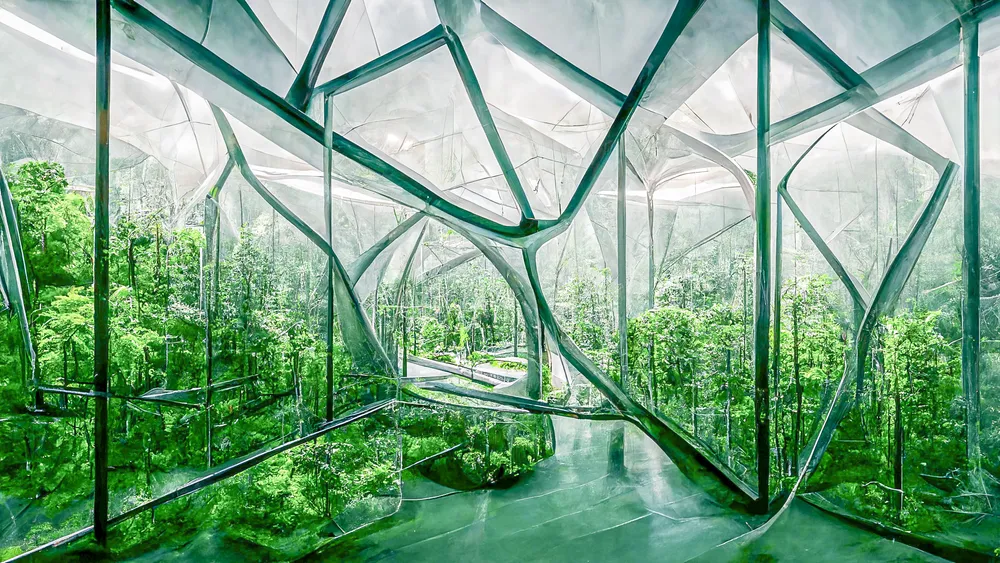
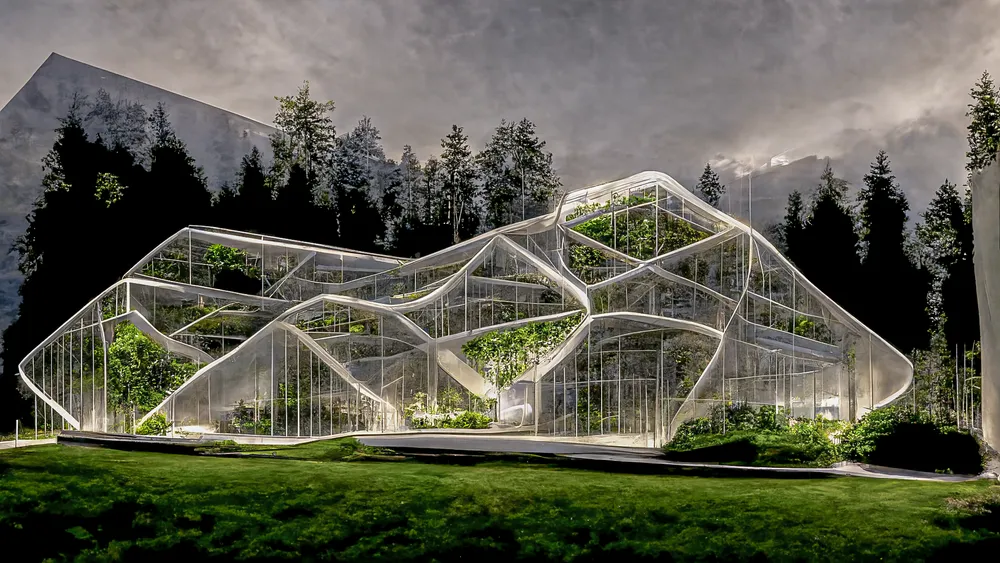
Daylight availability and circadian alignment
Air quality, ventilation rates, and thermal variability
Acoustic control and noise thresholds
Material performance and environmental compatibility
Spatial efficiency and movement patterns
These metrics enable design strategies to be tested, refined, and aligned with long-term performance outcomes.
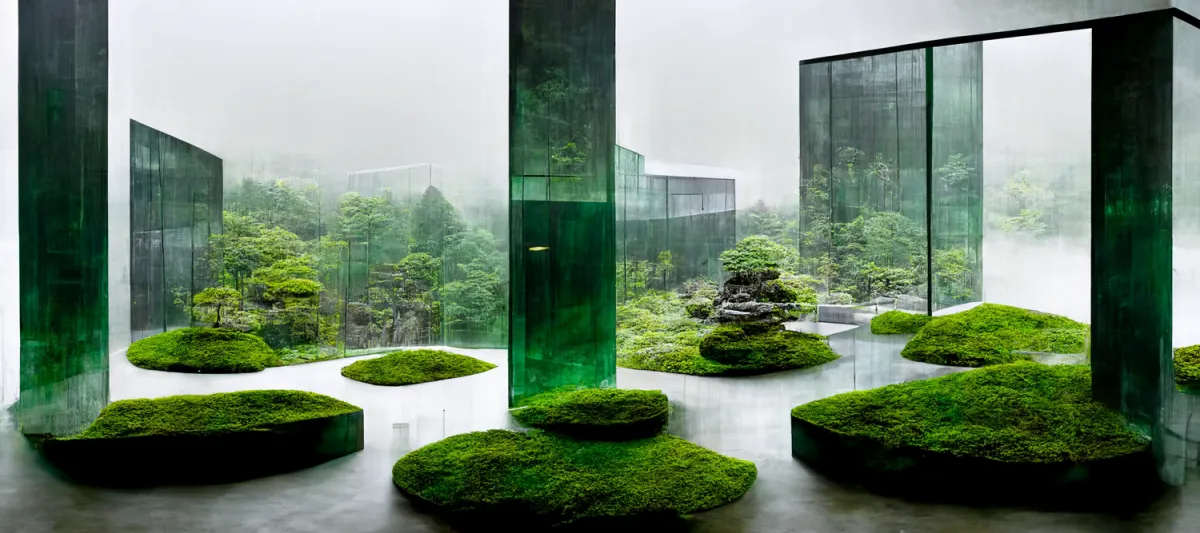
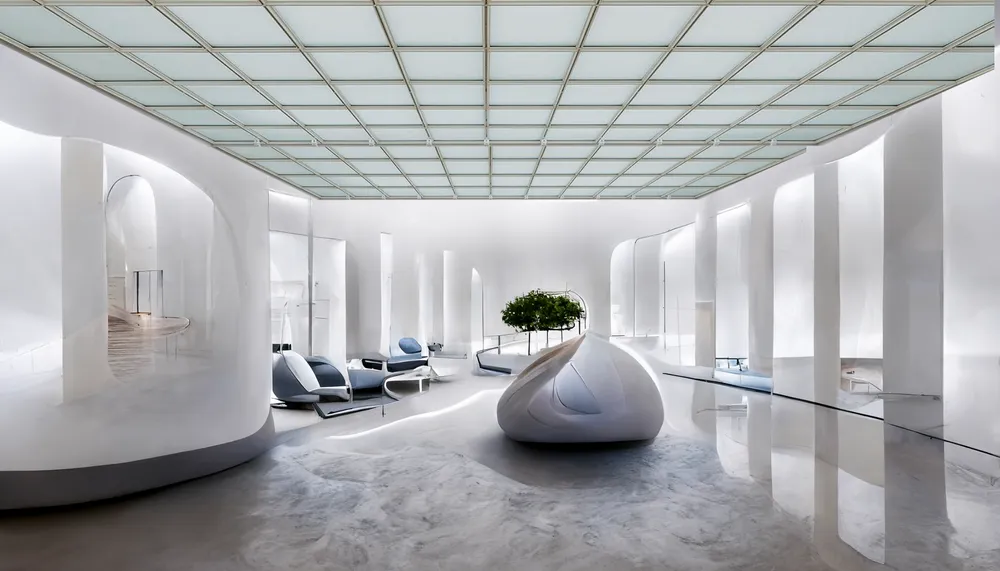
Wellness environments are structured to support multiple spatial conditions within a single system.
This includes:
● Spaces for movement and controlled activity
● Environments with reduced sensory input for rest
● Areas for recovery supported by thermal and environmental variation
These are achieved through spatial sequencing, enclosure variation, and controlled environmental inputs.
Wellness environments are organized through transitions between different spatial conditions.
This process includes:
● Gradients of light and enclosure
● Transitions between active and passive zones
● Variation in thermal and acoustic conditions
● Controlled shifts in material and spatial scale
Sectors where it is implemented across
● Healthcare and clinical environments systems, and material research
● Wellness resorts and hospitality developments
● Spa and recovery-focused spaces
● Commercial and corporate workplaces
● Residential and mixed-use developments
● Preventive care and longevity-focused environments
A wellness architecture firm creates environments that integrate environmental and sensory systems such as light, air, acoustics, and materials to support physiological and cognitive performance.
While often applied in high-end developments, the principles are scalable across different project types and budgets.